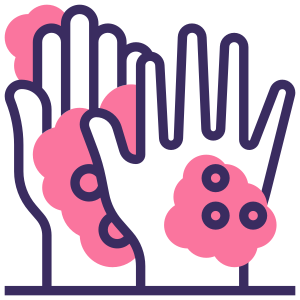

Also known as hand dermatitis, is a skin condition that affects the hands, causing inflammation, itching, and sometimes painful rashes.
Hand eczema, also known as hand dermatitis, is a chronic inflammatory skin condition that affects the hands. It can cause dryness, redness, itching, and painful rashes. Because the hands are frequently exposed to irritants and environmental stressors, this form of eczema is particularly common in people whose work or daily tasks involve repeated wetting, washing, or chemical exposure.
What Is Hand Eczema?
Hand eczema is a subtype of eczema that primarily affects the palms, fingers, and backs of the hands. It may appear suddenly or develop gradually over time. The condition often cycles between flare-ups and periods of improvement, and severity can vary widely.
Causes and Triggers
Hand eczema usually results from a combination of genetic, environmental, and immune-related factors. Common triggers include:
Contact Dermatitis
- The most frequent cause
- Occurs when the skin reacts to irritants (such as soaps, detergents, cleaning agents) or allergens (such as fragrances, metals, latex, or preservatives)
Atopic Dermatitis
- Individuals with a personal or family history of eczema, asthma, or hay fever are more prone to hand eczema
- Their skin barrier is often more sensitive and easily disrupted
Genetics
- Certain inherited traits may make the skin more vulnerable to dryness and inflammation
Environmental Conditions
- Cold, dry weather
- Frequent handwashing
- Repeated exposure to harsh chemicals or water (common in healthcare, cleaning, or food service occupations)
Stress
- Emotional stress can worsen symptoms or trigger flare-ups
Symptoms of Hand Eczema
The appearance and severity can differ, but typical symptoms include:
- Red or inflamed skin
- Dryness and roughness that may cause peeling or scaling
- Intense itching, which can lead to scratching and further irritation
- Small blisters that may ooze or crust over
- Cracked or fissured skin, often painful and prone to bleeding
- Swelling of the hands or fingers
- Pain or tenderness, making daily tasks difficult
- Secondary infections if open skin becomes exposed to bacteria or fungi
Management and Treatment
Effective treatment focuses on reducing inflammation, repairing the skin barrier, and avoiding triggers:
- Avoid irritants and allergens whenever possible
- Moisturize regularly with thick creams or emollients
- Use topical corticosteroids during flare-ups to reduce inflammation
- Apply barrier creams or wear protective gloves when working with chemicals or water
- Prescription treatments, such as topical calcineurin inhibitors or oral medications, may be required for severe cases
- Phototherapy (light therapy) can be helpful for chronic, treatment-resistant eczema
When to See a Healthcare Provider
A dermatologist can diagnose the type of eczema, identify potential triggers, and recommend a personalized treatment plan. Early intervention can prevent worsening symptoms and improve long-term skin health.