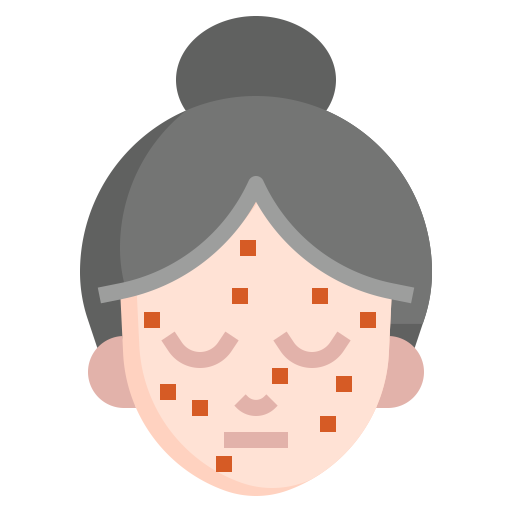

A common skin condition characterized by the inflammation or infection of hair follicles.
Folliculitis is a common skin condition that occurs when hair follicles become inflamed or infected. Each hair on the body grows from a tiny pocket in the skin called a follicle. When these follicles are irritated, clogged, or invaded by microorganisms, small red bumps or pus-filled spots can appear.
What Is Folliculitis?
Folliculitis can affect any part of the body that grows hair, including the scalp, face, chest, back, and legs. The condition can be mild and temporary or more persistent, depending on the underlying cause. While many cases resolve on their own, some may require treatment to prevent spreading or recurring infections.
Causes of Folliculitis
A variety of factors can damage or irritate hair follicles, making them vulnerable to infection. Common causes include:
Bacterial Infections
- The most frequent cause is Staphylococcus aureus, a bacterium that can enter the follicle through tiny breaks in the skin.
- Shaving cuts, friction, or open pores make infection more likely.
Fungal Infections
- Yeasts or other fungi can trigger folliculitis, especially in people with weakened immune systems or oily skin.
Viral Infections
- The herpes simplex virus can cause a specific form known as herpetic folliculitis, which may appear similar to cold sore outbreaks.
Ingrown Hairs
- When a hair curls back into the skin instead of growing outward, inflammation and bumps can form.
Friction and Irritation
- Tight clothing, frequent shaving, sports gear, or repetitive rubbing can irritate hair follicles and lead to infection.
Chemical or Oil Exposure
- Heavy lotions, greasy oils, or harsh chemicals can block follicles or irritate the skin, creating conditions for folliculitis to develop.
Symptoms of Folliculitis
Symptoms can differ by cause and severity, but commonly include:
- Small red bumps or pimples at the base of hair follicles
- Itching or burning sensations in the affected area
- Pus-filled pustules
- Tenderness or mild pain
- Crusting or scabbing as lesions heal
- Localized hair loss in more severe cases
- Spreading rash if follicles become widely inflamed
Treatment and Management
Treatment depends on the type and severity:
- Mild bacterial cases often respond to warm compresses and improved hygiene.
- More persistent infections may require topical or oral antibiotics.
- Fungal folliculitis is treated with antifungal creams or medications.
- Reducing friction, avoiding tight clothing, and pausing shaving in irritated areas can help prevent recurrence.
If folliculitis does not improve or becomes painful or widespread, a healthcare provider can diagnose the cause and recommend appropriate treatment.