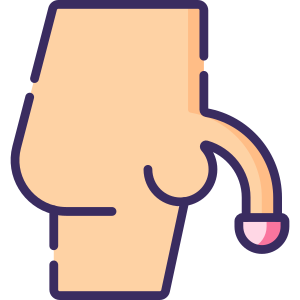

Commonly known as impotence, is a medical condition characterized by the consistent or recurrent inability to achieve and maintain an erection sufficient for sexual intercourse.
Erectile dysfunction (ED)—often referred to as impotence—is a condition in which a man consistently struggles to achieve or maintain an erection firm enough for sexual intercourse. Although it becomes more common with age, ED can affect men at any stage of adulthood and is often linked to a combination of physical, psychological, and lifestyle-related factors.
What Is Erectile Dysfunction?
ED occurs when the normal process of sexual arousal is disrupted. Achieving an erection depends on a complex interaction between the brain, nerves, hormones, blood vessels, and emotions. When any part of this system is impaired, difficulties with erections may result.
Physical Causes
Several medical or physiological issues can interfere with the ability to achieve an erection:
- Circulation Problems Conditions such as high blood pressure, diabetes, and atherosclerosis can reduce blood flow to the penis.
- Neurological Disorders Conditions like multiple sclerosis, Parkinson’s disease, or nerve injuries can interrupt the signals needed to trigger an erection.
- Hormonal Imbalances Low testosterone or other hormone disruptions may contribute to reduced sexual function.
- Medications Some prescription drugs—including those used for hypertension, depression, or prostate disorders—list ED as a possible side effect.
Psychological Causes
Emotional and mental well-being play a significant role in sexual performance. Factors may include:
- Stress or Anxiety Pressures from work, personal life, or sexual performance itself can interfere with arousal.
- Depression This can reduce libido and affect the body’s physical response to sexual stimulation.
- Relationship Difficulties Tension, communication problems, or emotional disconnect can contribute to ED.
Lifestyle Factors
Everyday habits and health choices can influence erectile function:
- Smoking Damages blood vessels and reduces circulation.
- Excessive Alcohol or Drug Use Can interfere with nerve function and hormone balance.
- Obesity or Sedentary Lifestyle Increases the risk of vascular disease and hormonal issues.
- Aging While ED becomes more common with age, it is not an inevitable part of getting older.
Symptoms
The main symptom is a persistent inability to get or keep an erection. Some men may also experience:
- Reduced sexual desire or libido
- Trouble achieving an erection
- Difficulty maintaining an erection long enough for intercourse
When to Seek Help
Occasional erectile difficulties are normal, especially during times of fatigue or stress. However, persistent ED can impact self-esteem, relationships, and overall health. Medical evaluation is recommended to identify underlying causes.
Treatments may include:
- Lifestyle changes
- Counseling or therapy
- Medications such as PDE5 inhibitors
- Hormone therapy
- Vacuum devices or other medical interventions
The most appropriate approach depends on the individual and the root cause of the dysfunction.