
Also commonly known as birth control pills, are a form of medication used to prevent pregnancy.
The contraceptive pill and contraceptive patch are hormonal birth control methods designed to prevent pregnancy. Both options release synthetic hormones that influence the reproductive cycle to make conception far less likely. While the pill is taken orally each day, the patch is applied to the skin and changed on a weekly schedule.
How These Methods Work
Hormonal contraceptives prevent pregnancy through several mechanisms:
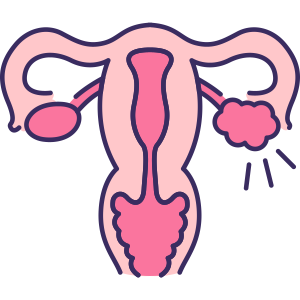
- Stopping ovulation, preventing the ovaries from releasing an egg
- Thickening cervical mucus, making it more difficult for sperm to reach an egg
- Thinning the uterine lining, reducing the chances of a fertilized egg implanting
Together, these effects offer reliable protection against pregnancy when used correctly.
Types of Contraceptive Pills
There are two main pill formulations:
- Combined Oral Contraceptives (COCs) Contain both estrogen and progestin. These are often referred to simply as “the pill.”
- Progestin-Only Pills (POPs) Also known as “mini-pills,” these are suitable for individuals who cannot take estrogen.
Effectiveness and Use
When used consistently and as directed:
- The failure rate is less than 1% with perfect use.
- Effectiveness decreases with missed or late doses.
- Pills must be taken daily at around the same time.
The contraceptive patch works similarly to the pill but simplifies use by requiring a weekly application rather than a daily routine.
Additional Benefits
Hormonal contraceptives may offer several non-contraceptive advantages, such as:
- More regular, lighter menstrual periods
- Reduced menstrual pain
- Lower risk of ovarian and endometrial cancers
- Improvement in acne for many users
Possible Side Effects
Some people may notice temporary side effects when starting the pill or patch, including:
- Nausea
- Breast tenderness
- Mood changes
- Breakthrough bleeding or spotting
These symptoms often improve as the body adjusts to the hormones.
Important Considerations
- A prescription is required in most countries. A healthcare provider will review your health history to determine which method is appropriate.
- Hormonal contraceptives do not protect against STIs. Condoms or barrier methods are recommended for STI prevention.
- Certain medical conditions, medications, or lifestyle factors may affect whether hormonal birth control is safe for you.
- If pregnancy is desired, fertility typically returns quickly after stopping the pill or removing the patch.
- Emergency contraception is available if unprotected sex occurs or a dose is missed.
Guidance and Follow-Up
It is important to follow the instructions provided with your chosen method to ensure maximum effectiveness. Discussing your health needs with a medical professional can help identify the safest and most suitable contraceptive choice for you.