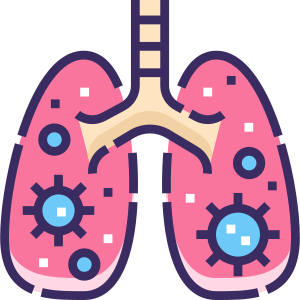

Also known as a respiratory tract infection, is a condition that affects the respiratory system and can cause inflammation or infection in the chest area.
A chest infection, often referred to as a respiratory tract infection, involves inflammation or infection within the airways or lung tissue. These infections can affect areas such as the bronchial tubes (bronchitis) or the lungs themselves (pneumonia). Chest infections vary widely in severity, from mild illnesses that improve with rest to more serious conditions requiring medical treatment.
What Causes Chest Infections?
Chest infections are typically the result of viruses or bacteria entering and irritating the respiratory system. Different parts of the chest can be affected depending on the organism involved and the individual’s health status.
Common causes include:
- Viral infections, such as influenza or respiratory syncytial virus (RSV)
- Bacterial infections, including those caused by Streptococcus pneumoniae or Mycoplasma pneumoniae
- Secondary infections, which may develop following a cold or flu when the respiratory system is already weakened
When Chest Infections Become Concerning
While many chest infections are mild and resolve on their own, some can progress quickly—especially in young children, older adults, or individuals with underlying conditions such as asthma, COPD, heart disease, or weakened immune systems. Seeking medical care is essential if symptoms worsen, breathing becomes difficult, or fever is high or persistent.
Treatment can vary based on the cause:
- Viral infections usually require supportive care, such as rest and fluids
- Bacterial infections may need antibiotics
- Severe infections might require inhalers, oxygen therapy, or hospitalization
Common Symptoms of a Chest Infection
Symptoms differ from person to person but often include several of the following:
- Persistent cough A key feature of chest infections; the cough may be dry or produce mucus that ranges in color from clear to yellow or green.
- Shortness of breath Breathing may feel more difficult during activity or when lying flat.
- Chest discomfort or pain Pain often worsens with deep breaths or coughing.
- Fever Elevated temperature is especially common with bacterial infections but may also occur with viral illnesses.
- Wheezing A whistling or crackling sound when exhaling, often due to narrowed or irritated airways.
- Fatigue Feeling unusually tired as the body works to fight the infection.
- Sore throat or upper respiratory symptoms Some infections start in the upper airways before moving into the chest.
- Muscle aches General body soreness commonly accompanies viral infections.
When to Seek Help
If symptoms worsen, breathing becomes difficult, or you have a high fever or existing health conditions, prompt medical evaluation is important. Early treatment can help prevent complications and speed recovery.