
A chronic respiratory condition that affects the airways in the lungs.
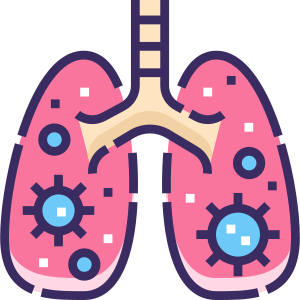
Asthma is a long-term condition that affects the air passages within the lungs. When these airways become inflamed or overly sensitive, they can tighten and produce excess mucus, making it harder to breathe. The condition can cause recurring episodes of breathing difficulty, and symptoms may fluctuate from mild to severe.
What Is Asthma?
Asthma is a chronic disorder of the respiratory system in which the tubes that carry air in and out of the lungs become irritated and narrowed. This ongoing inflammation can make the airways react strongly to certain triggers. During an asthma episode, the muscles around the airways tighten, the lining swells, and mucus production increases. These changes can lead to:
- Wheezing
- Coughing
- Chest tightness
- Shortness of breath
Because symptoms can vary widely over time and between individuals, asthma often requires personalized management.
Why Asthma Occurs
The exact reasons some people develop asthma are not completely understood. However, experts believe the condition arises from an interaction between genetic tendencies and environmental exposures. Several common influences include:
Genetic Predisposition
People with family members who have asthma or allergies have a higher chance of developing the condition themselves.
Allergens
Exposure to substances such as pollen, dust mites, pet dander, mold spores, and cockroach debris can trigger airway reactions in susceptible individuals.
Childhood Respiratory Infections
Viral illnesses, especially those occurring early in life, may affect how the airways develop, increasing the risk of asthma later on.
Environmental Irritants
Polluted air, cigarette smoke, and workplace chemicals or dust can worsen symptoms or contribute to the onset of asthma.
Exercise-Related Airway Narrowing
Some people experience asthma symptoms during or after physical activity, which is often referred to as exercise-induced bronchoconstriction.
Occupational Triggers
Exposure to specific substances in the workplace—such as fumes, cleaning agents, or industrial dust—can lead to asthma that is directly related to one’s job.
Common Symptoms
Asthma can show up differently from person to person. Typical signs include:
- A frequent or nighttime cough
- Wheezing, especially during exhalation
- Breathlessness or difficulty drawing in air
- A sensation of tightness or pressure in the chest
- Increased mucus in the airways
Asthma can be well-controlled with proper treatment and lifestyle adjustments. Most people manage symptoms through medications, avoiding known triggers, and following a personalized asthma action plan. Those with more severe or persistent symptoms may require specialized care or additional therapies.